Source: independent.co.uk

America's biggest coal producer is taking the plunge on renewables by launching a joint venture in solar power.
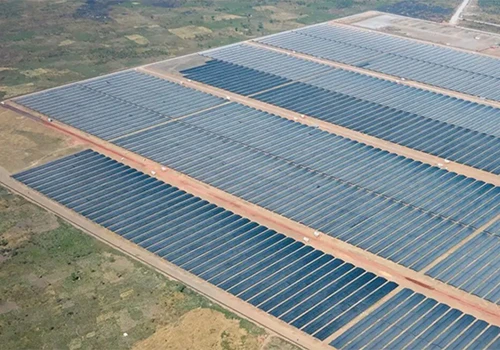
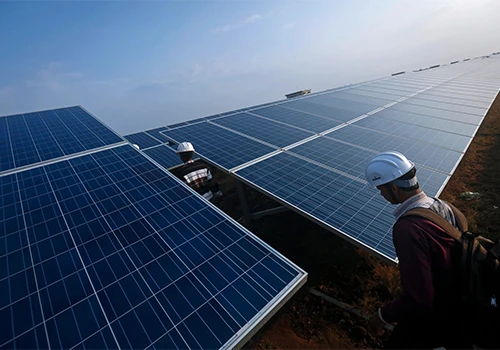
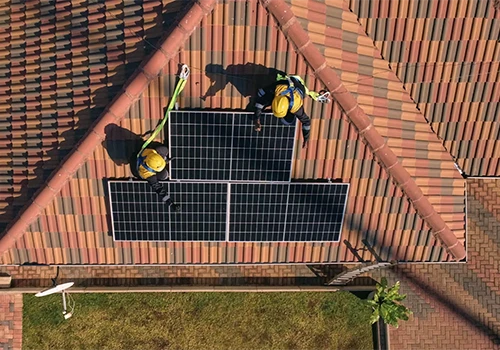
Peabody Energy Corp. announced on Tuesday that it has launched R3 Renewables with two investment firms to build utility-scale solar projects on or near former coal mining operations.
The St. Louis-based company will develop 3.3 Gigawatts (GW) of solar - enough to power about 2 million homes - and 1.6 GW of battery storage capacity over the next five years. R3 Renewables will develop on large tracts of land in Indiana and Illinois.
"We are pleased to announce this new joint venture as part of Peabody's commitment to be the coal producer of choice, creating additional value from our existing assets, supporting our own and our customers' ESG ambitions and providing added economic benefits for the communities in which we work and live," said Jim Grech, President and CEO of Peabody.
Peabody ilha tħaffir tal-faħam għal kważi 140 sena u għandha operazzjonijiet fi New South Wales, l-Awstralja, u l-istati tal-Istati Uniti ta 'Wyoming, Alabama, Indiana u New Mexico.
The company did not report the size of the investment but it appears that its primary focus will remain in the fossil fuel industry. The Independent left a message for Peabody's representative seeking comment.
Coal is the dirtiest, most carbon-intensive of fossil fuels. While it generated 24 per cent of US electricity in 2019, the fossil fuel accounted for about 61 fil-mija tal-emissjonijiet tas-CO2 fis-settur.
Fl-2020, sorsi ta' enerġija rinnovabbli - inklużi l-enerġija mir-riħ, idroelettrika, solari, tal-bijomassa, u ġeotermali - iġġeneraw madwar 21 fil-mija tal-elettriku fl-Istati Uniti, ikkompletati biss mill-gass fossili.
In the same year, use of renewables surpassed both nuclear and coal for the first time in history, reported the Amministrazzjoni tal-Informazzjoni dwar l-Enerġija tal-Istati Uniti.
Bħala parti mill-pjanijiet tal-Istati Uniti li jindirizzaw il-parti tiegħu fil-kriżi tal-klima, il-President Joe Biden wiegħed li jiftam lill-pajjiż mill-fjuwils fossili, u joħloq settur tal-enerġija nadifa sal-2035 u ekonomija b'emissjonijiet nett-żero sa mhux aktar tard mill-2050.