Source: electrek.co
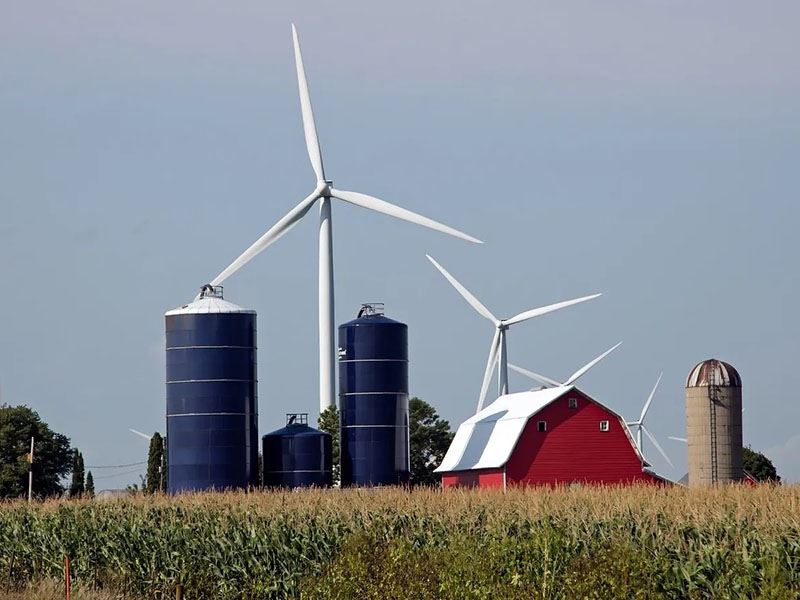
Clean energy sources generated a record 834 billion kilowatt hours (kWh) of electricity, or about 21 percent of all electricity generated in the US in 2020, the US Energy Information Administration (EIA) reported yesterday. That includes wind, hydroelectric, solar, biomass, and geothermal.
Only natural gas (1.617 billion kWh) produced more electricity than clean energy in the US in 2020. Clean energy surpassed both nukleari (790 billion kWh) and faħam (774 billion kWh) for the first time on record. This was the result of significantly less coal use in US electricity generation and the growth of wind and solar last year.
2020 was the first year that more electricity was generated by clean energy and nuclear than by coal.

L-EIA tikteb:
In 2020, US electricity generation from coal in all sectors declined 20 percent from 2019, while renewables, including small-scale solar, increased 9 percent . Wind, currently the most prevalent source of renewable electricity in the United States, grew 14 percent in 2020 from 2019. Utility-scale solar generation (from projects greater than 1 megawatt) increased 26 percent , and small-scale solar, such as grid-connected rooftop solar panels, increased 19 percent .
Madankollu, ir-riżultati tal-2021 se jidhru ftit differenti mis-sena l-oħra minħabba ż-żieda fil-prezzijiet tal-gass naturali.
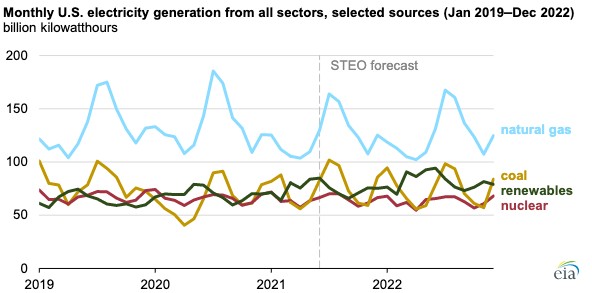
L-EIA qed tbassar li l-faħam se jerġa' lura, iżda tistenna li dak ir-rimonta jkun qasir-:
Based on forecasts in our Short-Term Energy Outlook (STEO), we expect coal-fired electricity generation in all sectors in 2021 to increase 18 percent from 2020 levels before falling 2 percent in 2022. We expect US renewable generation across all sectors to increase 7 percent in 2021 and 10 percent in 2022. As a result, we forecast coal will be the second-most prevalent electricity source in 2021, and renewables will be the second-most prevalent source in 2022. We expect nuclear electric power to decline 2 percent in 2021 and 3 percent in 2022 as operators retire several generators.
L-EIA tistenna li l-enerġija nadifa tkun is-sors dominanti tal-elettriku fl-Istati Uniti sal-2030.